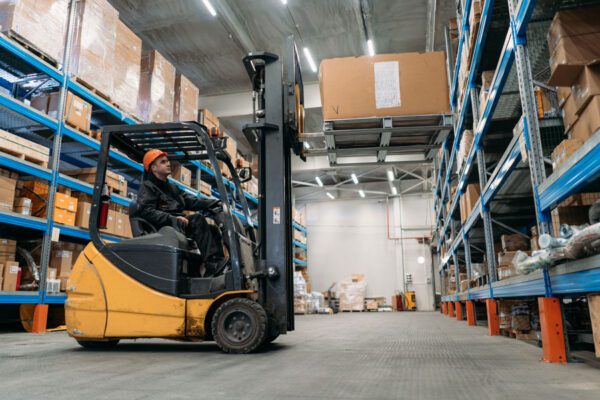
Forklifts are essential for moving materials efficiently in many workplaces, but they can also present serious safety risks if not used correctly. Injuries can occur during simple tasks like getting on and off the forklift. Additionally, forklifts powered by gasoline, propane, or diesel can produce carbon monoxide, a dangerous gas that can build up quickly in confined spaces. Improperly parked forklifts create hazards such as rollaways, blocked emergency exits, and tripping risks from raised forks. To keep everyone safe, it is important to understand these dangers and follow proper procedures for operating, ventilating, and parking forklifts.
Proper Technique for Mounting and Dismounting Forklifts
Forklifts play an important role in moving materials safely and efficiently in many workplaces. However, even a simple task like getting on or off a forklift can lead to serious injuries if not done correctly. Common hazards include hitting your head on the overhead guard, slips and falls, and strains from improper movements. Taking a few extra seconds to enter and exit safely can prevent serious injuries and keep you safe on the job.
Forklift Mounting and Dismounting
- Always face the forklift and move slowly and carefully when entering or exiting.
- Maintain three points of contact (two hands and one foot, or two feet and one hand) until fully seated or on the ground.
- Use manufacturer’s handholds and steps—not the steering wheel or controls—for support.
- Ensure hands and feet are clean and dry to avoid slipping.
- Stay aware of your surroundings, including other equipment and pedestrians.
- Wear proper footwear with good traction to prevent slips.
Unsafe Practices to Avoid
- Never jump off the forklift; it risks serious injury.
- Do not use steering wheel or controls as handholds.
- Avoid rushing or skipping steps during mounting/dismounting.
- Do not carry items in your hands; keep them free for grip.
- Report any damaged or worn forklift components immediately.
Steps to Properly Park a Forklift
Improperly parked forklifts put everyone at risk. Therefore, if your work requires you to operate a forklift, it’s imperative to follow workplace rules for parking these vehicles.
When Is a Forklift Considered Unattended?
OSHA defines a forklift as unattended when the operator is more than 25 feet away or the forklift is out of view.
Even if you plan to step away for “just a minute,” treat the forklift as unattended and follow full shutdown procedures. Leaving a forklift running or with raised forks, even if it is just for a short duration, can lead to accidents and injuries.
Properly Selecting a Parking Spot
Choosing the right parking spot is crucial to prevent accidents. A poor location can block emergency routes, increase collision risks, or cause rollaways. Always assess your surroundings before parking. Key points to remember:
- Park only in authorized forklift zones.
- Choose hard, level surfaces to ensure stability.
- Avoid parking on grades unless wheels are securely blocked.
- Keep clear of fire aisles, emergency equipment, pedestrian walkways, and traffic lanes.
- Stay away from blind corners and overhead obstructions.
Forklift Parking Procedures
Safe parking requires securing the forklift to prevent unintended movement. Follow these steps:
- Lower the forks completely to the floor to avoid tripping hazards.
- Neutralize all controls and set the parking brake.
- Turn off the power and remove the key to prevent unauthorized use.
- Exit the forklift carefully without jumping.
- Block wheels if parked on an incline.
- Verify the forklift is stable before leaving.
What Not to Do
Avoid leaving forks raised, parking on slopes without wheel blocks, leaving the engine running or key in the ignition, and blocking emergency routes. Never assume a brief absence means you can skip full shutdown procedures—accidents often happen when safety steps are rushed or ignored.
Carbon Monoxide Risks When Operating Forklifts
Carbon monoxide is a colorless, odorless and tasteless gas produced by internal combustion engines. Because you cannot see or smell it, carbon monoxide can build up quickly without warning and cause serious health risks, including death.
If your work requires you to operate a forklift, it’s imperative to know the risks presented by carbon monoxide and the steps you need to take to keep yourself safe.
Recognizing the Symptoms of Carbon Monoxide Poisoning
Knowing the warning signs of carbon monoxide poisoning is critical. Symptoms often start mild and quickly become life-threatening. If you notice any of the following symptoms while working around forklifts, act immediately:
- Headache that worsens over time—This is often the first sign of carbon monoxide exposure and should never be overlooked.
- Dizziness or lightheadedness—Feeling faint or unsteady means your body may not be getting enough oxygen.
- Nausea or vomiting—These symptoms can seem like food poisoning but may indicate carbon monoxide exposure.
- Shortness of breath or chest pain—Difficulty breathing is a serious sign that your body is struggling.
- Confusion or difficulty concentrating—Trouble thinking clearly or feeling mentally foggy can be a warning that carbon monoxide levels may be high.
- Loss of consciousness in severe cases—If exposure continues, you can collapse suddenly and require emergency care.
Carbon Monoxide Safety Tips for Forklift Operators
- Regularly inspect and maintain forklifts; report engine issues or exhaust smells immediately.
- Operate smoothly—avoid racing the engine, abrupt braking, or jerky hydraulic movements to reduce emissions.
- Limit forklift use in confined spaces like truck trailers, especially with gasoline, propane, or diesel engines.
- Be mindful that closed doors/windows in cold weather can trap exhaust gases.
- Turn off the forklift when not in use; avoid idling in enclosed areas.
- Report ventilation problems immediately and do not operate forklifts in poorly ventilated areas.
- Use and properly position carbon monoxide monitors; respond promptly to any alerts by leaving the area and notifying supervisors.
Emergency Actions for Suspected Carbon Monoxide Exposure
- Stop work and move to fresh air immediately.
- Notify your supervisor and report the incident.
- Seek medical help without delay.
- Do not reenter the area until it’s declared safe by qualified personnel.
- Assist coworkers showing symptoms by moving them to fresh air if safe, call emergency services, and provide CPR if trained.
Keep affected individuals in a safe, ventilated area until medical help arrives.
Conclusion
Following safe work practices when operating, parking, and entering or exiting forklifts is essential to prevent injuries and accidents. Being aware of hazards like falls, strains, carbon monoxide exposure, and rollaway risks helps protect you and your coworkers. Always adhere to workplace rules and OSHA requirements, and if you have any questions about forklift safety, don’t hesitate to speak with your supervisor.
Material posted on this website is for informational purposes only and does not constitute a legal opinion or medical advice. Contact your legal representative or medical professional for information specific to your legal or medical needs.