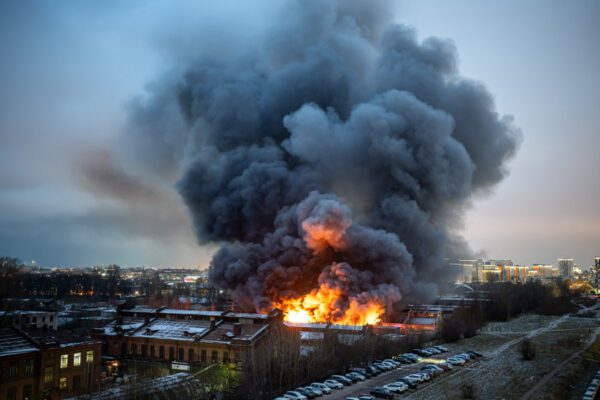
Natural disasters like fires, floods, and storms can strike unexpectedly, causing severe damage and disruption to your business. As devastating as a property loss can be, making mistakes early in the process can be fatal to your operations and your workforce. Being prepared with a clear plan can help you respond quickly and protect your assets. We encourage you to print this article and place it somewhere (not at your facility) where you can access it in case of a disaster.
Immediate Next Steps
The primary goal immediately after a loss is to prevent further damage elsewhere. Here are the top 10 steps to prioritize after you’ve experienced a disaster:
- Mitigate the loss: You have a contractual duty to do so. This includes everything from posting a fire watch after a small fire to removing snow from a sagging roof. Your policy has a provision that can exclude damage if you don’t try to mitigate the loss. This can also be something as simple as covering equipment to keep rain from damaging it further or relocating it so it’s not stolen. It might be fencing the property or hiring a security guard.
- Call your insurance agent: You can also call the carrier, as the phone number for claims is usually in the first few pages of the policy. Unfortunately, the policy is usually in the building, and you won’t be allowed back in after a loss.
- Don’t disturb the damaged area after mitigating any further loss. The carrier has the right and will send a cause-and-origin inspector to determine what caused the loss. Don’t start repairs, clean up debris or in any way change the damaged area. The one exception is for water loss, where you can hire a restoration company to remove water. This is huge. Don’t be surprised, as it might seem as though they are investigating you. Arson can be excluded if you are involved, so that needs to be confirmed first. It may look like they are trying to get out of paying the claim, but the carrier has reinsurers they need to answer to. They need to ensure there are no blatant reasons to deny the claim, such as a shut-down sprinkler system where they were not notified, etc. Most carriers are not trying to avoid paying the claim.
- Document everything: I would write down the events of the claim as you can remember them.
- Communicate with your carrier (but be patient): A carrier for a property claim will reach out within 24-48 hours. This will seem like a lifetime. Again, we cannot touch the scene until the adjuster gives permission.
- Tie up loose ends. Here are a few things you can start doing:
-
- Document any orders you cannot fulfill.
- Line up, but don’t have them start:
- A restoration company like Bluesky, Servpro, etc
- A contractor for debris removal and reconstruction.
- Start talking with your local zoning officer (code changes).
- Begin searching for new equipment.
- Communication (more information available in item #9 below)
-
- Vet calls from private adjusters: You will begin to receive calls from outside adjusters offering to help you with your claim. This may make it seem as if they are with your carrier or agency, so vet them thoroughly. Hiring one will most likely yield a better return on your claim, but it will most likely extend the length of the claim and sour your relationship with your carrier, and they charge for their service. The longer the claim goes on, the less likely you are to recover from it.
- Activate your business continuity plan: Determine if you need to relocate temporarily to maintain operations. Communicate clearly with employees, customers, and lenders about your status and expected timelines.
- Communicate effectively with your adjuster: Adjusters are hit or miss, so you or your agent will need to be hands-on here. It is crucial to get approval in writing for anything you want covered, and end any conversation by specifying when you will hear from them again (exact date/time), what the next steps are and who is responsible for them.
- Open a separate account for fire-related reimbursement.
Final Thoughts
We highly recommend pursuing an insurance appraisal and taking pictures of your operation before an event. This will expedite your claim recovery and remove coinsurance penalties for being underinsured. Additionally, developing a business continuity plan is the best way to ensure employee and customer retention and to get back to business.
For additional information, you can learn more about our business services and schedule a consultation with one of our experts here.

Kevin Mershimer
Kevin Mershimer is an Executive Vice President for Horton’s Risk Advisory Solutions. In this role, Kevin is responsible for providing Horton clients with comprehensive, cost-effective and innovative solutions to meet their most complex, risk-related challenges.
Material posted on this website is for informational purposes only and does not constitute a legal opinion or medical advice. Contact your legal representative or medical professional for information specific to your legal or medical needs.