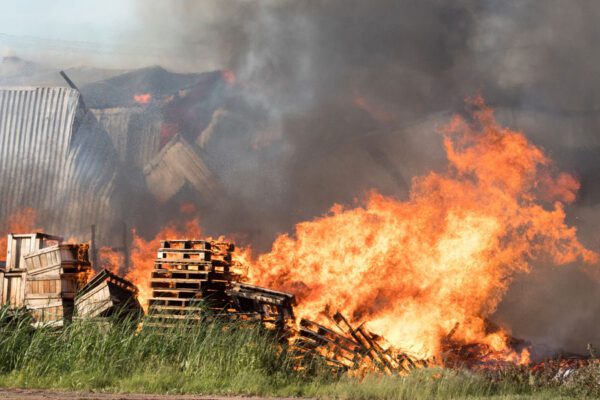
Wood products companies do not address fire risk in one place. They manage it across an entire operating system from timberlands and logging sites to sawmills, pallet plants, dry kilns, yards, and finished goods storage. For CFOs, owners, and controllers, that matters because fire exposure is not just a safety issue. It is a balance sheet issue, a business continuity issue, and often an insurance issue.
The most effective risk programs treat wildfire, severe weather, and combustible dust as part of the same conversation: how do we keep people safe, protect assets, and reduce the chance that one event interrupts production, damages inventory, or creates a long-term financial hit?
Fire risk in wood products is bigger than the mill
When most people think about fire risk in the wood products industry, they picture the plant. That is understandable. Sawmills, pallet manufacturers, cabinet shops, lumber drying operations, and retail lumber yards all have obvious ignition hazards. Combustible dust, hot work, electrical issues, bearing failure, conveyors, and housekeeping gaps can turn a small incident into a major loss very quickly.
But many wood products businesses also have upstream exposure. Forestry operations and timber supply chains often face wildfire, dry conditions, storm damage, remote-site access challenges, and limited response time. That means a fire event does not have to start inside the facility to create a severe financial impact.
The real risk is cumulative. A wildfire impacts timber supply. Severe weather disrupts harvesting or transportation. A dusty mill environment increases the severity of a plant fire. The result can be lost revenue, equipment damage, inventory loss, contract delays, and pressure on working capital.
Combustible dust: a risk many facilities underestimate
Combustible dust is one of the most underestimated hazards in wood products manufacturing. Fine wood particles are not just a housekeeping issue. Under the wrong conditions, they can fuel an explosion or accelerate a fire across production areas, dust collection systems, or enclosed spaces. The practical question for leadership is not whether dust exists. It is whether the operation has enough control over dust accumulation, ignition sources, and maintenance practices to reduce severity.
A strong combustible dust program typically includes:
- Routine housekeeping with defined thresholds for accumulation
- Properly designed and maintained dust collection systems
- Preventive maintenance on bearings, motors, conveyors, and electrical components
- Hot work controls and permit procedures
- Equipment guarding and spark detection where appropriate
- Training for supervisors and line employees
- Documentation of inspections, corrective actions, and testing
From an insurance perspective, underwriters and claims teams pay close attention to these controls because they are often the difference between a manageable event and a catastrophic one. For the CFO or controller, the financial value is equally important: fewer interruptions, lower loss severity, and a stronger position during renewal.
Wildfire and severe weather can interrupt the supply chain before the plant is even affected
For forestry and timber-related operations, wildfire and severe weather create a different kind of exposure. The issue is not always direct property damage. Sometimes the larger problem is loss of access, lost inventory, downed power, damaged roads, or the inability to harvest, haul, or receive materials on schedule.
That is especially true for operations with remote sites, seasonal labor, or long supply chains. A storm or wildfire can create consequences well beyond the physical footprint of the event.
Key risks include:
- Timber loss or damage before harvest
- Inability to move logs or finished product
- Utility outages and communication failures
- Road closures that delay deliveries and pickups
- Temporary shutdowns due to unsafe site conditions
- Increased emergency response time in remote areas
This is where resilient operations matter. Businesses that plan only for the plant and not for the broader operating environment are more vulnerable than they realize.
What strong preparedness looks like
Preparedness does not have to be complicated, but it does need to be intentional. The best-performing wood products companies tend to have a few things in common: they know their exposures, they document controls, and they tie mitigation to business outcomes.
For wildfire and severe weather readiness, that means:
- Creating site-specific emergency response plans
- Identifying alternate routes, vendors, and production options
- Maintaining defensible space around facilities and critical assets
- Inspecting and maintaining drainage, roofs, power systems, and yard storage areas
- Reviewing backup power and communication options
- Tracking weather and fire alerts for remote operations
- Training employees on shutdown procedures and evacuation protocols
For mills and manufacturing sites, it also means thinking through how a fire starts, spreads, and stops. That includes separation of ignition sources from combustible materials, strong electrical maintenance, and clean, orderly yards and production spaces.
The insurance conversation should start before a loss
Too often, companies think about these exposures only after a claim or renewal surprise. That is the wrong sequence. The insurance program should support the risk strategy, not replace it.
For wood products businesses, a thoughtful insurance review should address:
- Property values and replacement cost adequacy
- Business income exposure and realistic restoration timelines
- Inland marine and equipment coverage
- Stock and inventory values
- Debris removal and cleanup costs
- Ordinance or code upgrade exposure
- Fire protection impairments
- Supply chain disruption and dependent property risk
- Workers’ compensation implications after a major loss
If the business includes forestry or logging operations, the review should also address remote-site risk, mobile equipment, motor truck cargo, and exposure from severe weather or wildfire-related interruption.
Senior financial leaders do not need another safety memo. They need a risk strategy that protects EBITDA, preserves cash flow, and reduces volatility.
A major fire loss can affect:
- Revenue recognition and order fulfillment
- Customer retention
- Borrowing capacity and covenant compliance
- Equipment replacement timing
- Payroll and staffing stability
- Long-term enterprise value
That is why the best risk programs are built around operational continuity, not just compliance. The goal is not to eliminate all risk. The goal is to keep a manageable risk profile that supports stable performance over time.
Take action
If you oversee a wood products operation, here is a simple way to think about the next step:
-
- Review your fire exposures across the full supply chain, not just inside the plant.
- Confirm that combustible dust controls, housekeeping, and maintenance practices are documented and enforced.
- Evaluate wildfire and severe weather readiness for every site, including remote or seasonal operations.
- Test your business continuity assumptions against a real loss scenario.
- Align your insurance program with current values, current operations, and current downtime expectations.
The businesses that manage these risks best do one thing consistently: they treat fire prevention and preparedness as a business discipline, not a one-time project.
For wood products companies, that discipline can be the difference between a difficult quarter and a devastating loss.
Material posted on this website is for informational purposes only and does not constitute a legal opinion or medical advice. Contact your legal representative or medical professional for information specific to your legal or medical needs.