What Underwriters Focus on in Pallet Manufacturing (and How to Win Their Confidence)
Underwriters tend to focus on a handful of operational indicators that correlate strongly with loss history and loss potential. In pallet manufacturing, these are usually decisive:
1) Housekeeping and Wood Dust Control
Wood dust and debris accumulation is one of the most consistent drivers of fire risk and underwriting concern.
Insurers commonly look for:
- Documented cleaning schedules (by area and frequency)
- Dust collection system inspection/maintenance records
- Clear separation of dust-producing processes where possible
- Evidence of compliance with safety standards and internal audits
CEO takeaway: Don’t treat housekeeping as just “doing your best.” Make it a managed system, and remember—good documentation is just as important as good results.
2) Equipment Maintenance and Reliability
Pallet operations often rely on specific machines and lines that are expensive and not quickly replaceable.
Underwriters want to see:
- Preventive maintenance programs with assigned ownership
- Service logs and work orders (internal or vendor)
- Operator training protocols
- Contingency plans for critical machinery (spares strategy, alternate routing, vendor access)
CEO takeaway: When equipment breaks down, it’s not just about repair costs—the downtime can be expensive, and insurers pay close attention to that risk.
3) Electrical Systems and Infrared (IR) Inspections
Electrical failures remain a leading cause of property losses in wood-related facilities.
Many carriers increasingly expect:
- Routine infrared thermography (IR) inspections
- Prompt correction of identified deficiencies
- Electrical upgrades where age/condition warrants it
If your facility hasn’t had an electrical inspection in the last 12–24 months, that may be treated as a red flag in underwriting.
CEO takeaway: Regular IR inspections are a practical way to show underwriters you’re in control—they spot problems before they turn into fires.
4) Inventory Management and Storage Practices (Including Idle Pallets)
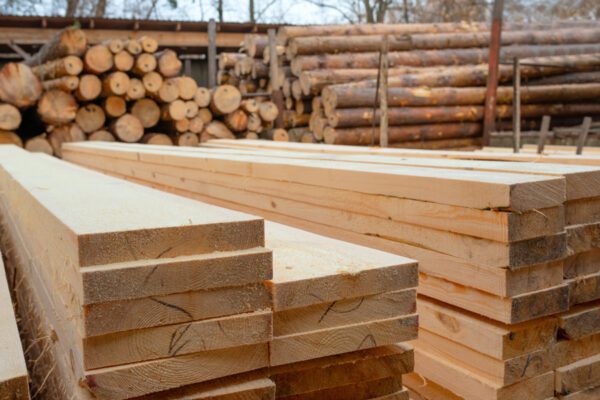
For pallet manufacturers, inventory isn’t only finished goods—it includes cores, repaired pallets, scrap, lumber, packaging, and idle stacks.
Carriers pay close attention to:
- Indoor vs. outdoor storage configurations
- Fire separation and access (clearances, aisle space, setbacks)
- Sprinkler protection suitability for the hazard
- Peak inventory values and seasonal swings
CEO takeaway: Bad storage practices don’t just make fires more likely—they can make losses bigger and make insurance claims harder to resolve.
The Hidden Financial Risk: Outdated Property Values and Coinsurance Penalties
Many pallet companies are still insured to values that no longer reflect today’s replacement costs. Replacement costs have climbed due to:
- Construction material inflation
- Labor shortages
- Supply chain disruption
- Higher costs and lead times for specialized machinery
This becomes a major issue when a policy includes a coinsurance clause. If values are understated, claim payments can be reduced—even on partial losses.
CEO takeaway: Underinsuring might seem cheaper, but it can lead to big financial surprises if you ever have a loss.
Business Interruption (BI): The Most Commonly Underestimated Exposure in Pallet Manufacturing
Business interruption is where many wood product companies—including pallet manufacturers—carry the biggest unrecognized gap.
Pallet operations can face prolonged downtime because of:
- Long lead times for specialized machinery and electrical components
- Installation/commissioning time
- Permitting and reconstruction timelines after a property loss
- Skilled labor constraints
- Customer contract pressures and service-level penalties
Common BI gaps include:
- BI limits based on outdated revenue/throughput
- Indemnity periods that are too short for real-world rebuild timelines
- Limited planning for supply chain disruptions
- Failure to account for peak season exposure (when downtime costs are highest)
CEO takeaway: You might get through a fire, but if your business interruption coverage and recovery plans aren’t realistic, your business could still be at risk.
Material posted on this website is for informational purposes only and does not constitute a legal opinion or medical advice. Contact your legal representative or medical professional for information specific to your legal or medical needs.