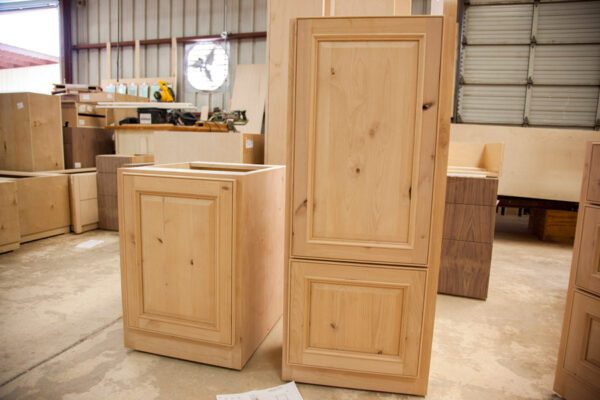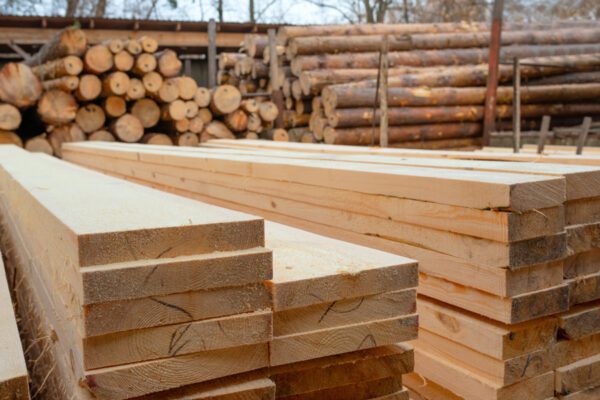
In conversations with sawmills, lumberyards, and building material suppliers, one theme continues to surface: the insurance market for wood product companies is changing and not always in obvious ways.
What’s important to understand is this: in the wood products industry, your insurance results are a direct reflection of your operations. Underwriters aren’t guessing they’re evaluating how your facility actually runs day to day.
The companies that perform best in today’s market aren’t just buying insurance. They’re actively managing risk in ways that align with how insurers assess exposure.
The Reality of Today’s Insurance Market for Wood Products
Insurance carriers have become more disciplined in how they evaluate wood-related risks and for good reason. Sawmills, hardwood processors, and lumber operations present a unique combination of exposures:
-
Combustible dust and fire risk
-
High-value, specialized equipment
-
Complex production dependencies
-
Fluctuating inventory values
As a result, underwriting scrutiny has increased. Carriers are focusing less on general industry classifications and more on how well you manage operational risk.
The takeaway: two nearly identical sawmills can see very different insurance outcomes based on how they operate.
Where Insurers Are Looking (and Why It Matters)
If you want to understand your insurance program, start by understanding what underwriters are looking for during evaluation.
1. Housekeeping & Dust Control
This is still one of the biggest drivers of both claims and underwriting decisions.
Poor housekeeping especially related to wood dust can significantly increase the risk of fire or explosion. Insurers are looking for:
-
Documented cleaning schedules
-
Dust collection system maintenance
-
Clear separation of dust-producing processes
-
Evidence of compliance with safety standards
Companies that treat housekeeping as a formal process not an afterthought tend to see better pricing and broader coverage options.
2. Equipment Maintenance & Reliability
Sawmills rely heavily on specialized equipment that is both expensive and difficult to replace.
Underwriters want to see:
-
Preventative maintenance programs
-
Service logs and documentation
-
Operator training protocols
-
Backup plans for critical machinery
Breakdowns don’t just create repair costs they trigger downtime, missed orders, and lost revenue. From an insurance standpoint, that compounds risk quickly.
3. Electrical Systems & Infrared Inspections
Electrical failures remain a leading cause of property losses in wood product facilities.
Many insurers now expect:
-
Routine infrared (IR) thermography inspections
-
Timely correction of identified issues
-
Updated electrical infrastructure where needed
If your facility hasn’t had an electrical inspection in the past 12–24 months, that’s likely a red flag during underwriting.
4. Inventory Management & Storage Practices
Wood products are highly combustible, and inventory levels can fluctuate significantly throughout the year.
Insurers are paying close attention to:
-
Storage configurations (indoor vs. outdoor)
-
Fire separation and sprinkler protection
-
Peak inventory values
-
Seasonal fluctuations
Improperly stored inventory doesn’t just increase fire severity it can impact how your policy responds in a loss.
The Hidden Risk: Outdated Property Values
One of the most common and most costly issues we see is undervalued property and equipment.
Over the past several years, replacement costs have increased dramatically due to:
-
Inflation in construction materials
-
Labor shortages
-
Supply chain disruptions
-
Rising costs for specialized machinery
Yet many companies are still insuring assets based on outdated valuations.
Why This Is a Problem
Most commercial property policies include a coinsurance clause. If your property is undervalued, you may not receive full payment in a claim even for partial losses.
Example:
-
Building replacement cost: $10M
-
Insured value: $7M
-
Coinsurance requirement: 80%
You’re underinsured and the claim payment is reduced proportionally.
This isn’t a theoretical issue. It’s something companies discover after a loss when it’s too late to fix.
The Overlooked Exposure: Business Interruption
If there’s one area consistently underestimated in the wood products industry, it’s business interruption (BI).
Why BI Is Different for Sawmills
Unlike many industries, sawmills and hardwood operations depend on:
-
Custom or hard-to-source equipment
-
Long lead times for replacement
-
Skilled labor and specialized processes
After a major loss, getting back to full production can take months not weeks.
Common Gaps We See
-
BI limits based on outdated revenue figures
-
Indemnity periods that are too short
-
No consideration for supply chain disruption
-
Failure to account for peak production seasons
The result? A company survives the physical damage but struggles financially during recovery.
What Top-Performing Companies Are Doing Differently
The good news: these risks are manageable.
The companies that consistently perform well in the insurance marketplace tend to take a proactive, structured approach to risk management.
They Regularly Update Property Values
-
Conduct periodic appraisals
-
Adjust for inflation and market conditions
-
Ensure compliance with coinsurance requirements
They Treat Maintenance as a Business Priority
-
Formal preventative maintenance programs
-
Clear documentation and accountability
-
Investment in equipment reliability
They Understand Their Downtime Exposure
-
Realistic business interruption calculations
-
Scenario planning for major losses
-
Alignment between operations and insurance limits
They Document Everything
In today’s market, documentation matters as much as execution.
-
Maintenance logs
-
Inspection reports
-
Safety procedures
-
Training records
Well-documented operations give underwriters confidence and that often translates into better terms.
What This Means for Your Business
If you’re in the sawmill or hardwood industry, your insurance program is no longer just a back-office function it’s a reflection of how well your business is run.
Here’s the reality:
-
Carriers are selective about the risks they take on
-
Pricing is increasingly tied to operational discipline
-
Coverage gaps are more likely to surface during claims
That means the cost of inaction is rising.
But the opportunity is just as real: companies that invest in risk management are often rewarded with:
-
More competitive premiums
-
Broader coverage options
-
Stronger carrier relationships
A Practical Next Step
For most wood product companies, improving insurance outcomes doesn’t require a massive overhaul it starts with a focused review of a few key areas:
-
Are your property values aligned with current replacement costs?
-
Have you stress-tested how long your operation could realistically be down?
-
Are your maintenance, housekeeping, and inspection processes clearly documented?
These are the same questions underwriters are asking.
Addressing them proactively not only strengthens your risk profile but also puts you in a much better position when it’s time to negotiate terms, pricing, and coverage.
In today’s environment, preparation isn’t just helpful it’s a competitive advantage.
Joe Rehkamp
Vice President
Joe Rehkamp is a Vice President for Horton’s Risk Advisory Solutions Division. In this role, Joe is responsible for providing Horton clients with comprehensive, cost-effective, and innovative solutions to meet their most complex, risk-related challenges and opportunities.
Material posted on this website is for informational purposes only and does not constitute a legal opinion or medical advice. Contact your legal representative or medical professional for information specific to your legal or medical needs.