A topic that continues to surface in conversations with lumberyards and building materials companies is the current state of the insurance market for wood product businesses and more importantly, what’s driving results behind the scenes.
Here’s the reality: in the wood products industry, insurance outcomes are rarely random. They are closely tied to how operations are run day to day. The companies that perform well in the insurance marketplace aren’t just “lucky”, they’re disciplined in a few key areas that underwriters consistently evaluate.
If you’re an owner or executive in this space, understanding these drivers can mean the difference between a smooth renewal and a difficult one.
Why Insurance Results Mirror Your Operations
Underwriters don’t just look at loss history, they evaluate how likely a loss is to occur and how severe it could be. In wood products and lumber operations, that assessment centers around a few consistent operational factors:
- Housekeeping and Fire Load – Wood dust, scrap material, and poor cleanup routines significantly increase fire risk. Even small lapses in housekeeping can raise concerns for insurers.
- Equipment Maintenance – Sawmills, kilns, and processing equipment run hard, and often continuously. Preventative maintenance programs are critical, not just for uptime, but for risk control.
- Electrical Systems – Outdated or poorly maintained electrical systems remain one of the leading causes of fires in wood product facilities. Regular infrared inspections and upgrades matter more than most companies realize.
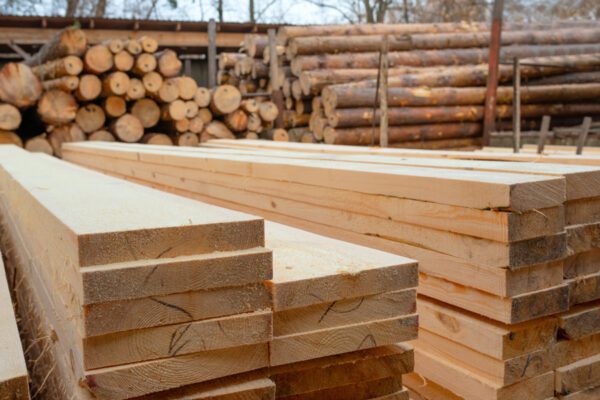
- Inventory Management – Wood products businesses often carry large, fluctuating inventories. Improper storage, stacking, or valuation can impact both safety and coverage adequacy.
Bottom line: These aren’t just operational best practices, they are underwriting signals. And insurers are paying close attention.
The Property Valuation Gap: A Growing Problem
One of the most common, and costly, issues we’re seeing right now is outdated property values.
Over the past several years, replacement costs for buildings and equipment have increased significantly due to:
-
Inflation in construction materials
-
Labor shortages
-
Supply chain disruptions
-
Increased equipment costs and lead times
Yet many companies haven’t adjusted their insured values accordingly.
The Overlooked Risk: Business Interruption & Downtime
If property valuation gaps are the most common issue, underestimated downtime exposure is a close second.
Wood products operations are highly dependent on specialized equipment. When something critical fails, like a planer mill, kiln, or saw line, replacement isn’t immediate.
What Makes Downtime So Risky?
-
Long equipment lead times (often months)
-
Custom fabrication requirements
-
Installation and calibration delays
-
Limited redundancy in operations
Yet many companies set business interruption limits based on outdated assumptions or rough estimates.
The Real Question to Ask:
“How long would it actually take us to get back to full production after a major loss?”
For many operations, the honest answer is much longer than their current coverage reflects.
What Strong Performers Are Doing Differently
The good news is that these issues are highly manageable. The companies that consistently perform well in the insurance marketplace tend to focus on a few core disciplines:
- Regular Property Valuation Reviews
-
Update building and equipment values every 1–2 years
-
Use professional appraisals when possible
-
Account for current construction and equipment costs
-
- Thoughtful Business Interruption Analysis
- Model realistic downtime scenarios
- Include supply chain and equipment delays
- Revisit limits as operations grow or change
- Documented Preventative Maintenance Programs
-
Maintain logs for equipment servicing
-
Schedule routine inspections
-
Address issues proactively, not reactively
-
- Strong Housekeeping and Risk Controls
-
Implement dust control measures
-
Train employees on cleanup protocols
-
Conduct regular internal audits
-
- Electrical System Oversight
-
Perform infrared thermography inspections
-
Upgrade outdated panels and wiring
-
Document all improvements
-
These aren’t complex strategies, but they require consistency. And that consistency is exactly what underwriters reward.
What This Means for Your Business
If you’re heading into your next renewal, here’s the practical takeaway:
Your insurance results will reflect how well your operation is documented, maintained, and valued.
Even if you haven’t had a loss, gaps in:
-
Property values
-
Business interruption limits
-
Maintenance documentation
this can still impact your pricing, terms, and available coverage.
On the flip side, companies that can clearly demonstrate control over these areas often see:
-
More competitive pricing
-
Broader coverage options
-
Stronger insurer relationships
A Proactive Approach Pays Off
The wood products industry comes with inherent risks, fire exposure, equipment intensity, and operational complexity aren’t going away.
But the difference between average and best-in-class insurance outcomes usually comes down to preparation.
A small amount of proactive work, reviewing values, stress-testing downtime assumptions, and tightening operational controls, can have a significant impact when it matters most.
Final Thought
Insurance isn’t just a cost center for wood products companies, it’s a reflection of operational discipline.
The companies that treat it that way are the ones putting themselves in the best position to control costs, minimize surprises, and recover faster when something goes wrong.
Next Steps
If you haven’t reviewed your property values or business interruption limits in the past 12–24 months, now is the time.
Start with a simple internal review, or bring in an advisor who understands the wood products industry. A fresh perspective can quickly identify gaps and help you make informed, strategic adjustments before your next renewal.
Material posted on this website is for informational purposes only and does not constitute a legal opinion or medical advice. Contact your legal representative or medical professional for information specific to your legal or medical needs.