- Protect Your Business
 Business Insurance Products
- Risk Advisory Solutions
- Risk Control & Transfer
- Claims Advocacy
- Safety Consulting
- Predictive Safety Analytics
- Safety Observations & Safety Audits
- OSHA Compliance Assistance
- Schedule a Pre-Employment Test
- SB 75 | Illinois Sexual Harassment Training Services
- Workplace COVID-19 Consulting Services
- Safety Program and Risk Assessments
- Cost Reduction Services
- Safety Training Services
- Safety Program Development
- Industrial Hygiene Services
- Industry Leading Safety Solutions
- Transportation Safety Programs
- Pre-Employment Strength Testing
- Surety Bond Services
- Captives Insurance
- Certificate Control & Process
- Directors & Officers Insurance – Management Liability Insurance
- Contact Business Advisor Team
- Industries
- Construction Insurance
- Real Estate Development Insurance
- Education
- Franchise
- Healthcare
- Lawyers & Legal Professionals
- Manufacturing
- Manufacturing & Distribution Insurance
- Food Processing & Manufacturing Insurance
- Pet Food Manufacturing Insurance
- Beverage Manufacturing Business Insurance
- Bakery Manufacturing Insurance
- Tortilla Manufacturing Insurance
- Grain and Oilseed Manufacturing Insurance
- Sugar Manufacturing Insurance
- Meat Manufacturing Insurance
- Chemical Manufacturing Insurance
- Metal Manufacturing Insurance
- Food Manufacturing Insurance
- Plastic Goods Manufacturing Insurance
- Moving & Storage
- NonProfit Insurance – Insurance For 501(C)
- Public Sector Insurance
- Welding Supply & Gas Dist.
- Resale, Consignment & Thrift Shop Insurance
- Restaurant Insurance
- Bar Insurance
- Trucking Insurance
- Covering Your Craftsmanship: Coverage Options for Wood Product Businesses
- Protect Your People
- Employee Benefits Insurance
- Employee Benefits Strategies
- Multiemployer Consulting Solutions
- Protect Your Family
- Resources
- Events


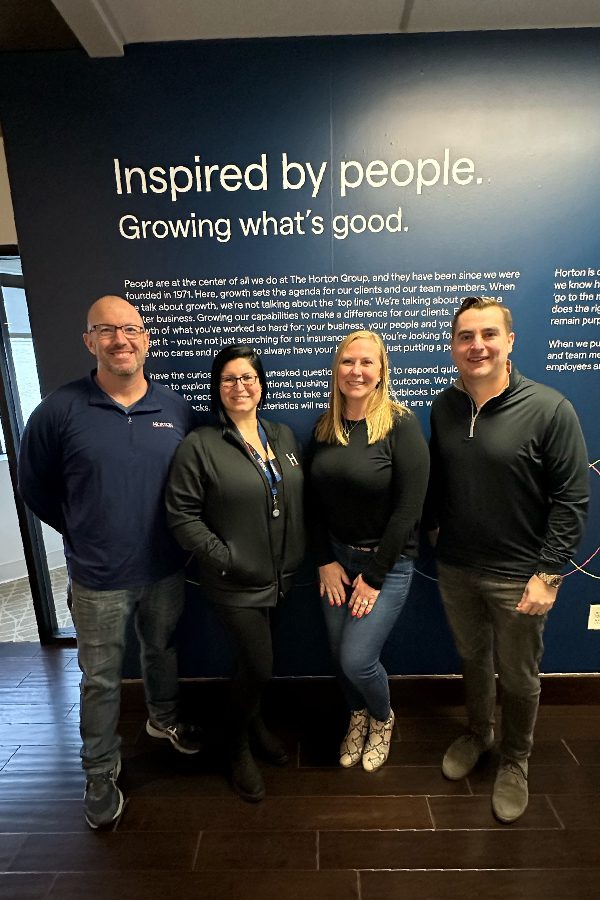
Inspired by People
Trust a Horton Group Insurance Broker for All Your Insurance Solutions
Find the right insurance coverage to protect your business, your employees, and your family.


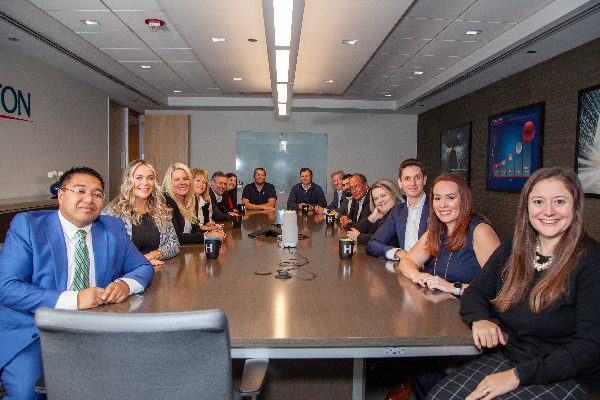
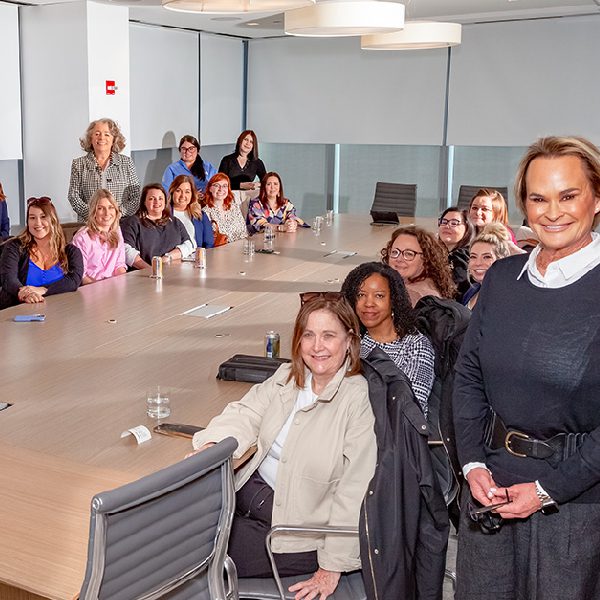

Since 1971
Where good people go to grow.
People are at the heart of all we do.
As a leading insurance broker agency, our insurance agent brokers address your needs. We know what questions to ask and what worries matter, and we’ll work tirelessly to give you the peace of mind the right insurance offers.
When you’re people-first, you’re second-to-none.








Wonderful team. The Horton Group is the best! Very helpful and informative. Very nice and thorough with their follow up.

How We Help
Find the right coverage. Start a conversation with our insurance broker agency.
Let’s understand your risk profile and customize your insurance to fit your needs.
Your assets, risk tolerance, budget, and worries inform the insurance broker services and coverage you need. You aren’t standard — so your insurance shouldn’t be either.
Here, the unconventional answer is never overlooked.

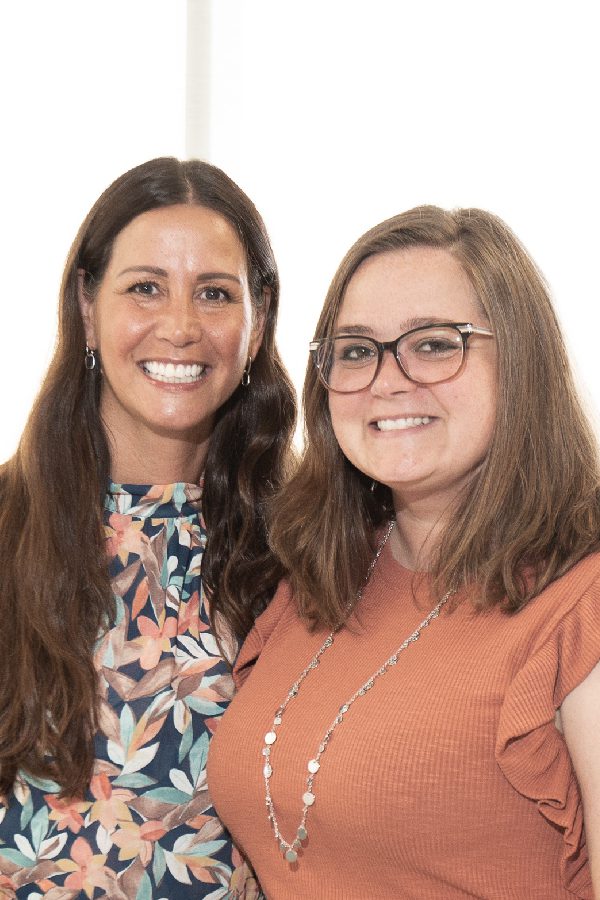


What’s best for people—
is best for business.
Insurance Broker Agency Services
Insure what matters with a comprehensive portfolio of insurance brokerage services.
Whether you’re looking to cover the basics or have a complex concern that demands specialized insurance consulting, we can help you find the right insurance coverage.



Upcoming Events
Stay up-to-date on a range of insurance-related topics with some of the brightest minds in the country at a Horton Group event.



Careers
Find Your Place in a People-First Insurance Broker Agency
The value we bring is in the values we share.
We’re an internationally recognized, award-winning insurance broker agency for service, training, and career development. Discover what’s possible when you grow with a team that puts you first.
Resources
Stay Up-to-Date on Insurance and Risk Trends
Risk evolves. Insurance should, too. Our resource library includes several insurance specific and risk related topics so you’re ready to adapt and safeguard what matters.



Get Started
People First Insurance Brokers
Find out how our services can assist you in becoming better prepared and protected for what comes next.